
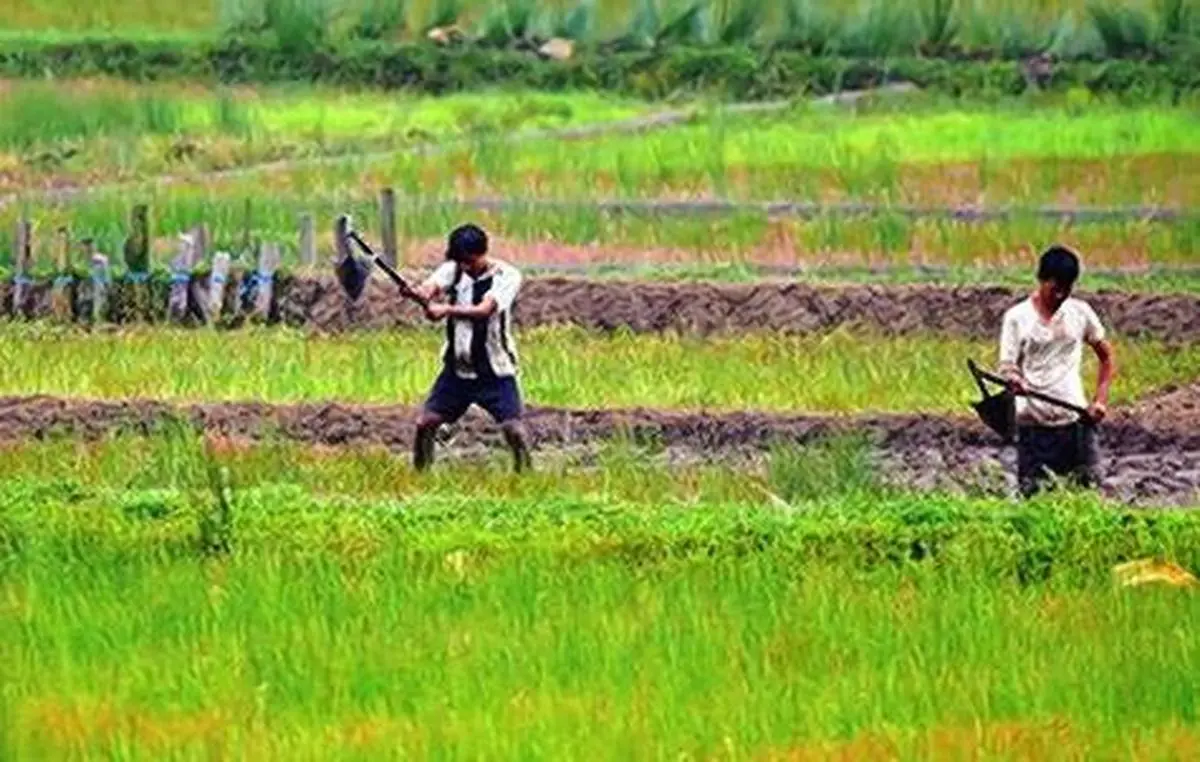
More than half of the country’s population still earns a living through farming and agriculture, and therefore the path to India’s progress is through agriculture. The central government also provides benefits to farmers through various schemes. In this context, the Agricultural Infrastructure Fund (AIF) scheme has been launched, which aims to completely hi-tech the agricultural infrastructure at the ground level in rural areas.
Farmers often work hard, but their crops get damaged due to lack of proper storage or logistics. To fill this gap, the government is now giving farmers and agri-startups an opportunity to build their own empire, ensuring the quality of their crops and their fair market price. Let’s know how to apply…
The best part of this central government scheme is that you can get a hefty loan of up to Rs 2 crore, which is enough to turn any big business idea into a reality. To ease the burden of loans, the government has provided an interest subsidy of 3%, which significantly reduces the interest burden on your pocket.
The interest rate under this scheme is capped at 9%, and this subsidy will continue for a full 7 years. For loans up to Rs 2 crore, you do not have to worry about credit guarantees, as the government bears the cost. The direct benefit of this is that you do not have to worry about providing heavy security or guarantees while going to the bank, and the loan approval process will also become much easier.
The scope of the AIF scheme is so wide that it can accommodate everyone from ordinary farmers to high-tech agri-startups. Whether you are a sole farmer or part of an FPO, Self Help Group (SHG), or a cooperative, the door to funding is always open for you.
Now, the government has also added solar-powered projects and community farming infrastructure to the scheme, through which rural youth and entrepreneurs can earn money sustainably.
This scheme is not only a means to prevent agricultural wastage but also a strong blueprint to boost the rural economy by opening new avenues of employment in the villages.
By adopting it, farmers can now become successful and self-reliant entrepreneurs instead of depending on middlemen.