

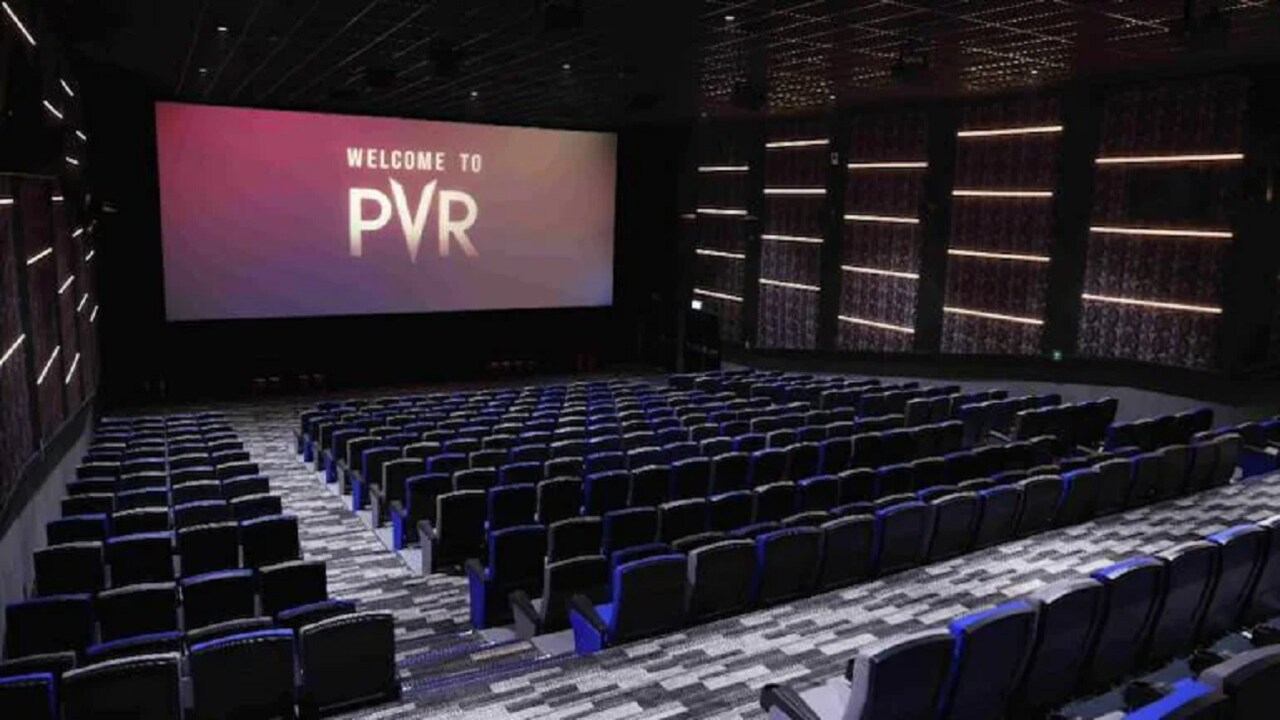
A plan to watch a movie at night turned into a legal battle for a lawyer from Hyderabad. Fortunately, the outcome was positive; PVR Cinemas was ordered to pay him ₹75,000 in compensation.
The lawyer had booked two tickets for a show scheduled to begin at 10:35 PM. Expecting the movie to start on time, he took his seat early. However, advertisements and trailers played continuously on the screen, and the movie began 17 minutes behind schedule. Due to this delay, he lost about an hour towards the end of the night, as he reached home at 3 AM instead of 2 AM.
Why did the customer file a case against PVR?
According to him, this delay was not a mere inconvenience. Arriving home an hour later than expected disrupted his plans for the rest of the night and forced him to travel late at night.
He argued that PVR was using this extra time to show commercial advertisements instead of content related to genuine public service. This constitutes a violation of the Ministry of Information and Broadcasting’s rule, which mandates that such broadcasts prior to the start of a film be limited to a duration of a few minutes. He brought the matter before the Hyderabad District Consumer Disputes Redressal Commission, seeking compensation for the mental agony and inconvenience caused, as well as reimbursement of legal expenses.
What explanation did PVR offer in its defense?
PVR did not deny that the film screening was delayed. However, their stance was based on their right to conduct their business operations. The cinema chain informed the Commission that screening advertisements, trailers, and public service films was part of their right to conduct business, a right protected under Article 19(1)(g) of the Constitution. They also cited a past Supreme Court ruling stating that a cinema hall is private property and its owner can determine the rules for its operation, provided those rules do not conflict with public interest, safety, or welfare.
PVR stated that the content screened prior to the film was linked to public interest, as it included topics such as literacy, agriculture, women’s welfare, and cleanliness campaigns. They argued that these factors could not be construed as a deficiency in service and requested that the complaint be dismissed.
The Commission did not accept this argument put forward by PVR. It cited a memorandum from the Ministry of Information and Broadcasting, which clearly specifies the duration for screening such public service content. According to the memorandum, the maximum duration for approved public service films is set at two minutes; these should be screened either ten minutes before the movie begins or during the interval, and the duration should not exceed this limit. The Commission also noted that PVR had not strongly challenged the facts regarding the delay in its written response, nor had it submitted any substantial evidence to refute the counsel’s arguments. The Commission acknowledged that screening advertisements beyond the prescribed limit was not merely a trivial business decision but an unfair trade practice aimed at deriving additional commercial gain from the audience.
On this basis, the Commission directed PVR to pay ₹20,000 as compensation for the inconvenience caused, ₹5,000 towards legal expenses, and ₹50,000 as a penalty by way of punitive damages. It was directed that this amount be deposited into the District Consumer Welfare Fund instead of being paid directly to the complainant. Additionally, the Commission has ordered PVR to refrain from such practices in the future.