

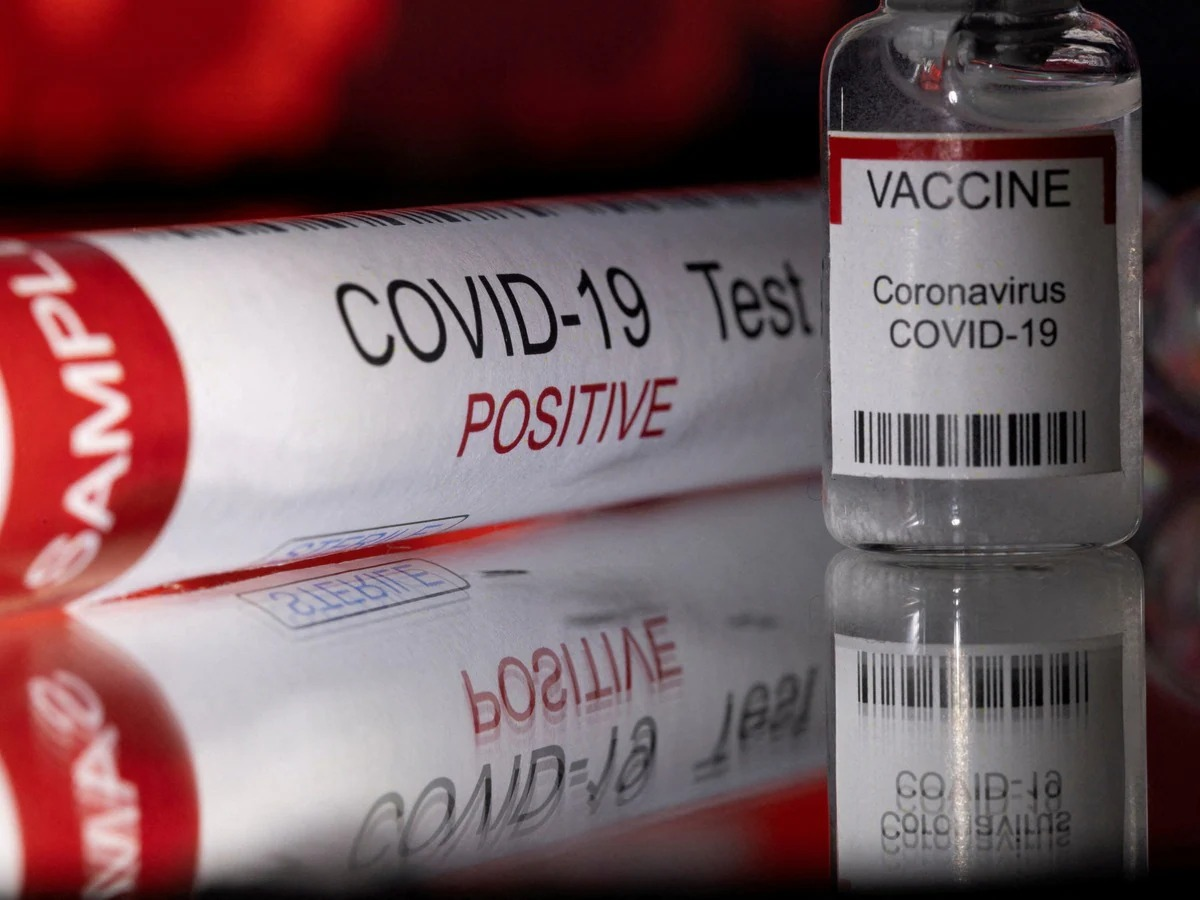
The fear of Corona has returned. Concerns have grown regarding a new variant. How dangerous is this new variant? Will vaccines become ineffective? A new variant of the coronavirus has been detected, known as PJ 2.1. It was first identified in Ontario, Canada, in May 2026. Since then, it has been observed in several other countries. This variant is spreading rapidly across parts of North America, Europe, Asia, and Oceania. It has now reached approximately 20 countries. Experts are concerned about how it enters human cells and how it interacts with antibodies.
In October 2026, research concerning this variant was published in the Journal of Infection. Preliminary research indicates that PJ2.1 may have an increased ability to bind to the S2 receptor, which facilitates the entry of the coronavirus into human cells. However, this research did not find evidence of resistance to vaccine-induced antibodies compared to other variants. The World Health Organization has noted that the symptoms of COVID-19 can be similar to those of the flu and other respiratory infections. This makes it difficult to identify the cause of the illness based solely on symptoms.
What research reveals: PJ.2.1 is associated with SARS-CoV-2—the virus that causes COVID-19. Researchers have described this as a “saltation variant”—a term used for a virus that emerges with a relatively large number of genetic mutations, rather than acquiring changes gradually. According to research by Markus Hoffmann and his colleagues, published in the Journal of Infection in October 2026, PJ.2.1 evolved from MC.10.1.7, which is related to JN.1.
Are vaccines and immunity effective? According to experts, the immune protection developed through vaccination and prior infection can be effective in reducing the risk of severe illness and hospitalization. However, the extent to which PJ.2.1 is capable of evading the body’s immune response is currently being investigated. For this reason, health agencies are continuously studying its behavior and impact.
Advice to remain vigilant – Health experts have advised people to exercise caution rather than panic. Taking precautions in crowded places, maintaining hand hygiene, and receiving a booster dose where necessary can help reduce the risk of infection. While there is no global health emergency at present, surveillance has been increased due to the rapid spread of this new variant. In the coming days, it will become clear, based on research, just how dangerous PJ.2.1 might prove to be.