
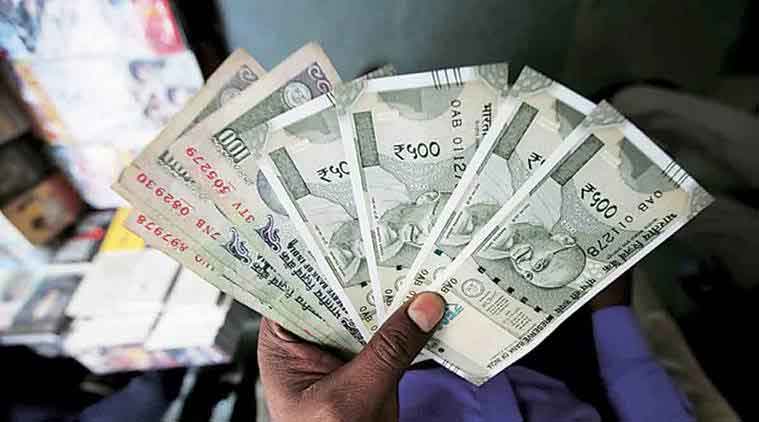
The ordinary paper note in your pocket may soon be obsolete forever. Keeping in mind the ever-increasing demand for cash in the market, the Reserve Bank of India is going to take a historic step. The central bank is now seriously considering the plan to print plastic or polymer notes instead of traditional paper. According to media reports, there was a lot of discussion about this big change in the recent RBI central board meetings held in Patna and Mumbai. So, what is the specialty of this plastic note or polymer currency, and in which countries of the world is this system being successfully implemented? Let’s talk about it.
‘Polymer currency’ will last much longer than paper notes.
The biggest reason behind the elimination of paper notes is their manufacturing cost and durability. According to banking experts:
Durable and strong: Plastic notes remain safe for about two and a half times longer than normal paper notes.
Water and dirt resistant: These notes are not affected by water, humidity, mud, or any kind of dirt. They do not get damaged even if soaked in water.
Not easy to tear: They do not tear easily, so the central bank does not have to print new notes frequently and will save thousands of crores of rupees in revenue.
Fake note free: The biggest advantage of plastic notes is that it is completely impossible to copy or make fake notes. It uses modern security features.
The journey of this new technology in about 60 countries of the world:
This journey, which started with just a 10 dollar note in Australia in 1988, has today reached big countries like Singapore, Indonesia, Malaysia, Canada, Britain, and Thailand. The most surprising thing is that the world’s strongest currency, the ‘US dollar,’ is not made entirely of plastic. It is specially made with a special mixture of cotton and linen, which makes it much stronger than ordinary paper.
When will plastic notes come to India?
According to the RBI’s annual report, the cost of printing paper notes and the cost of replacing worn-out notes are increasing year by year. To reduce this financial burden, plans are underway to start a pilot project in India to introduce plastic notes. If this experiment is successful, then colorful notes will also come to the market of our country very soon.